1726 – 1804
Benigno Zerafa
Maestro di Cappella · Mdina Cathedral · Malta
Celebrating Maltese Baroque Music on the 300th Anniversary of his Birth
A Life in Music
Benigno Zerafa was born in Rabat, Malta, on 25 August 1726 and baptised the same day at the Cathedral Church. He received his early musical formation as a chorister at St Paul's Cathedral in Mdina before departing for Naples in 1738 to study at the Conservatorio di Santa Maria di Loreto. There he trained under leading Neapolitan masters and composed several major sacred works while still a teenager.
Returning to Malta in 1744, he was appointed maestro di cappella of the Cathedral, a post he held for several decades, shaping Maltese sacred music until his retirement in the 1780s. His role was highly demanding, encompassing singing, playing multiple instruments, conducting the orchestra, teaching music to clergy and choir boys, and composing a substantial body of sacred music for the Cathedral.
His 148 surviving sacred vocal works — ranging from grand double-choir compositions to more intimate pieces for solo voice and continuo — form one of the most significant collections of Baroque sacred music in Malta. He died in Valletta on Tuesday, 20 March 1804, at the age of 77, and his musical legacy is preserved today in the Mdina Cathedral Archives.
Timeline
- 1726
Born in Rabat, Malta on 25 August to Nicola Zerafa, a surgeon, and his wife Teresa née Lombardo. One of eight children, he was baptised the same day at the Cathedral Church.
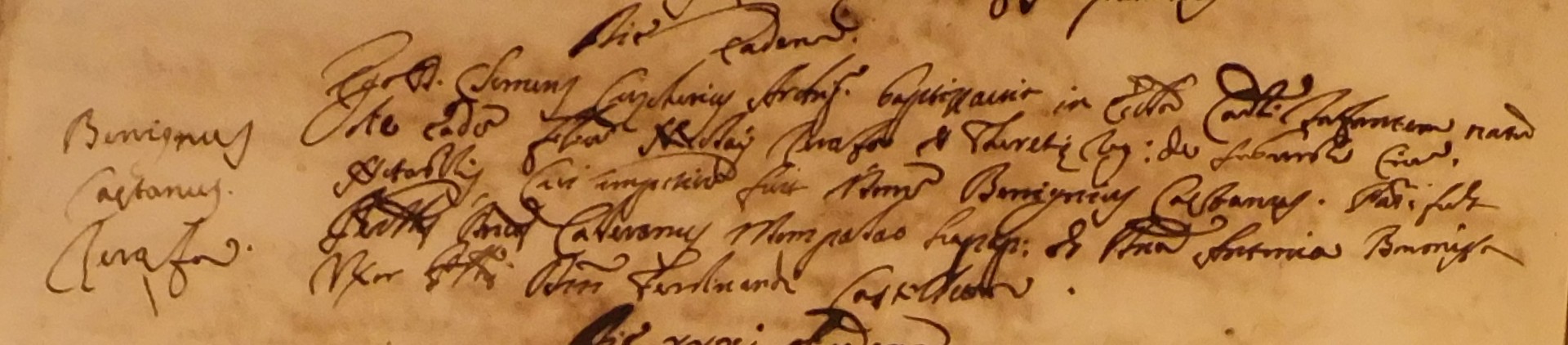
Baptism record of Benigno Zerafa, 25 August 1726 — Ref: Liber Bapt V4 ff120 - 1734
Appointed Clericus Chori (diaconus) at the Cathedral, sharing a salary of 20 scudi with his brother. His first real contact with music.
- 1737
Petitioned the Bishop for acceptance into the Cappella Musicale. Sang treble in the Cathedral choir and later joined the main Church choir, earning an additional 10 scudi.
- 1738
At age 11, enrolled at the Conservatorio di Santa Maria di Loreto, Naples. The Chapter provided 165 scudi in financial support, repayable in instalments. He was enrolled as a convittore (boarding student) at the seminary, specifically to prepare him for the priesthood.
- 1743
During his six years of study, Zerafa completed three compositions, two of which were major works for two choirs — a due cori — by the time he turned 17. Works include Dixit Dominus (ACM Mus Ms 288–289), Messa di Gloria (ACM Mus Ms 243), and Kyrie and Gloria Mass (ACM Mus Ms 245). He concluded his studies when the Conservatorio was converted into a seminary.
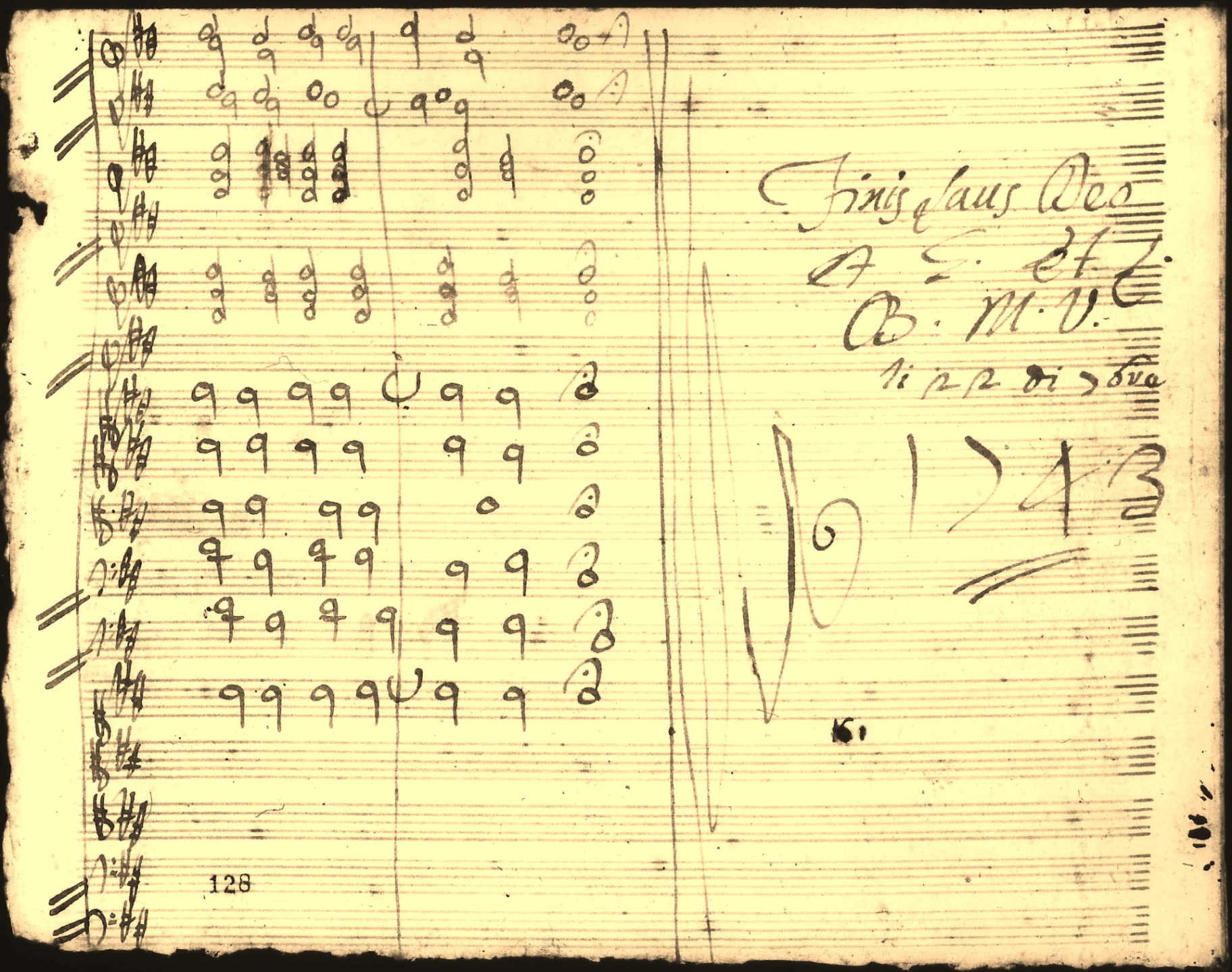
Kyrie e Gloria, Agnus Dei, 1743 — ACM Mus Ms 243 - 1744
Appointed Maestro di Cappella of Mdina Cathedral at age 18 by Bishop Alpheran de Bussan, following high praise from the Church Deputies for Music. His contract explicitly required him to compose new works tailored to the Cathedral's liturgical needs. The role encompassed singing, playing multiple instruments, conducting the orchestra, teaching music to clergy and choir boys, and composing sacred music.
- 1750
Ordained a priest on 19 September at the Episcopal Palace in Valletta, with Bishop Alpheran de Bussan presiding.
- 1751
Dismissed from his position as Maestro di Cappella following disputes with the Chapter.
- 1752
Composed one of his finest works: a Mass for two choirs (a due cori), completed on 21 April. This ten-movement work, preserved in a large manuscript score, was likely composed for the Feast of St Peter and St Paul.
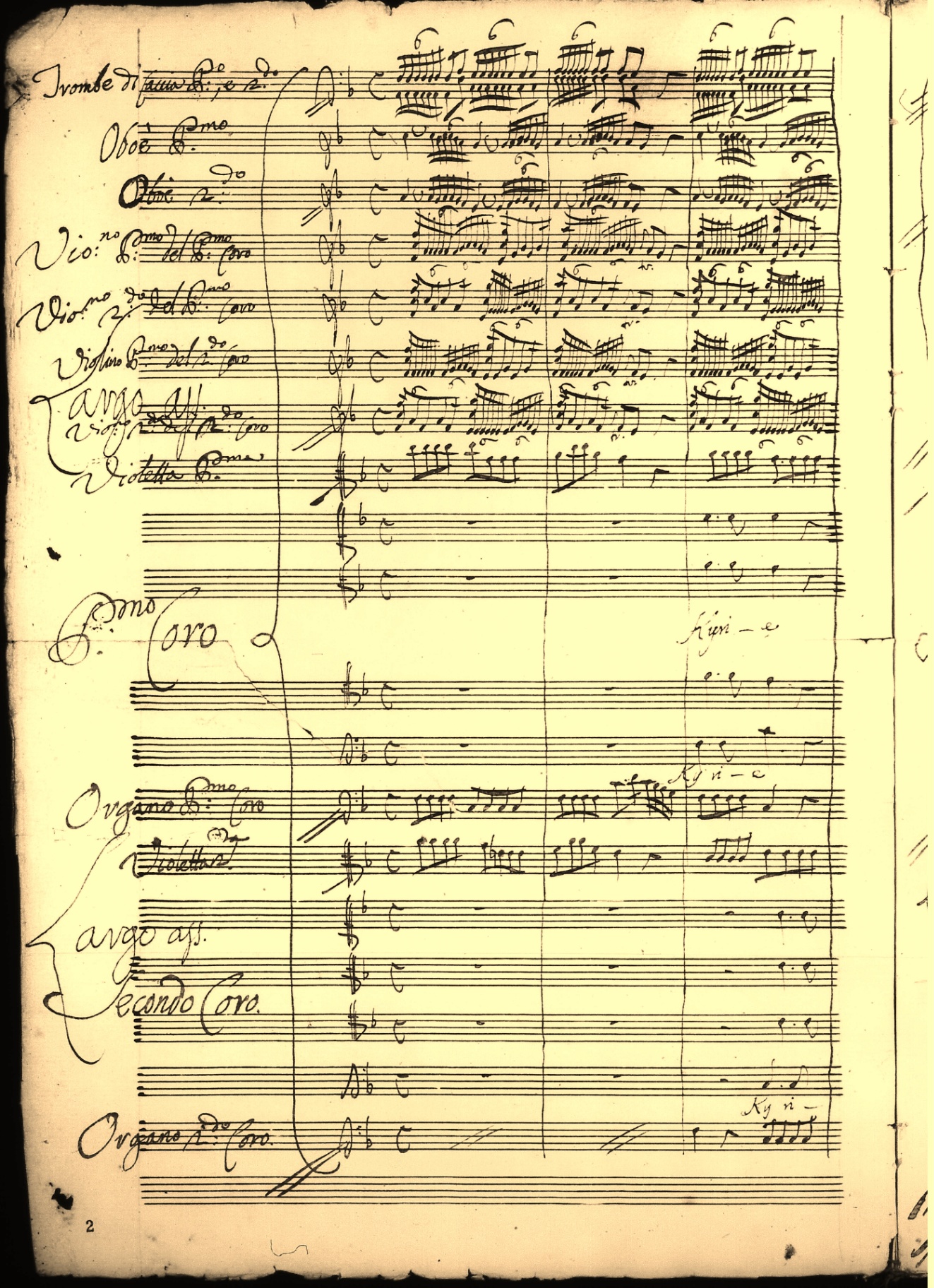
Messa a due Cori, 1752 — ACM Mus Ms 251 - 1753
Reappointed as Maestro di Cappella on 14 April by Bishop Alpheran de Bussan himself, with an increased salary of 200 scudi, which helped his family recover from a difficult period.
- 1755
Maintained a music school attached to the Cathedral church. Introduced pupils to playing wind instruments for the cappella musicale. Instruments purchased included two oboes from Naples (1757), two trombones di caccia from Germany (1758), and two tortini grandi from Naples (1758).
- 1772
Requested a new organ, noting that the existing instrument was beyond repair. The organ was completed by Domenico Antonio Rossi in 1774. From that year onwards, he produced 25 new compositions, with an increased number written for the organ.
- 1783
Francesco Azopardi began acting as Maestro di Cappella due to Zerafa's declining health. On 8 December, Francesco recommended to the Cathedral authorities that Zerafa be granted a pension while his full salary be paid to him, but no action was taken.
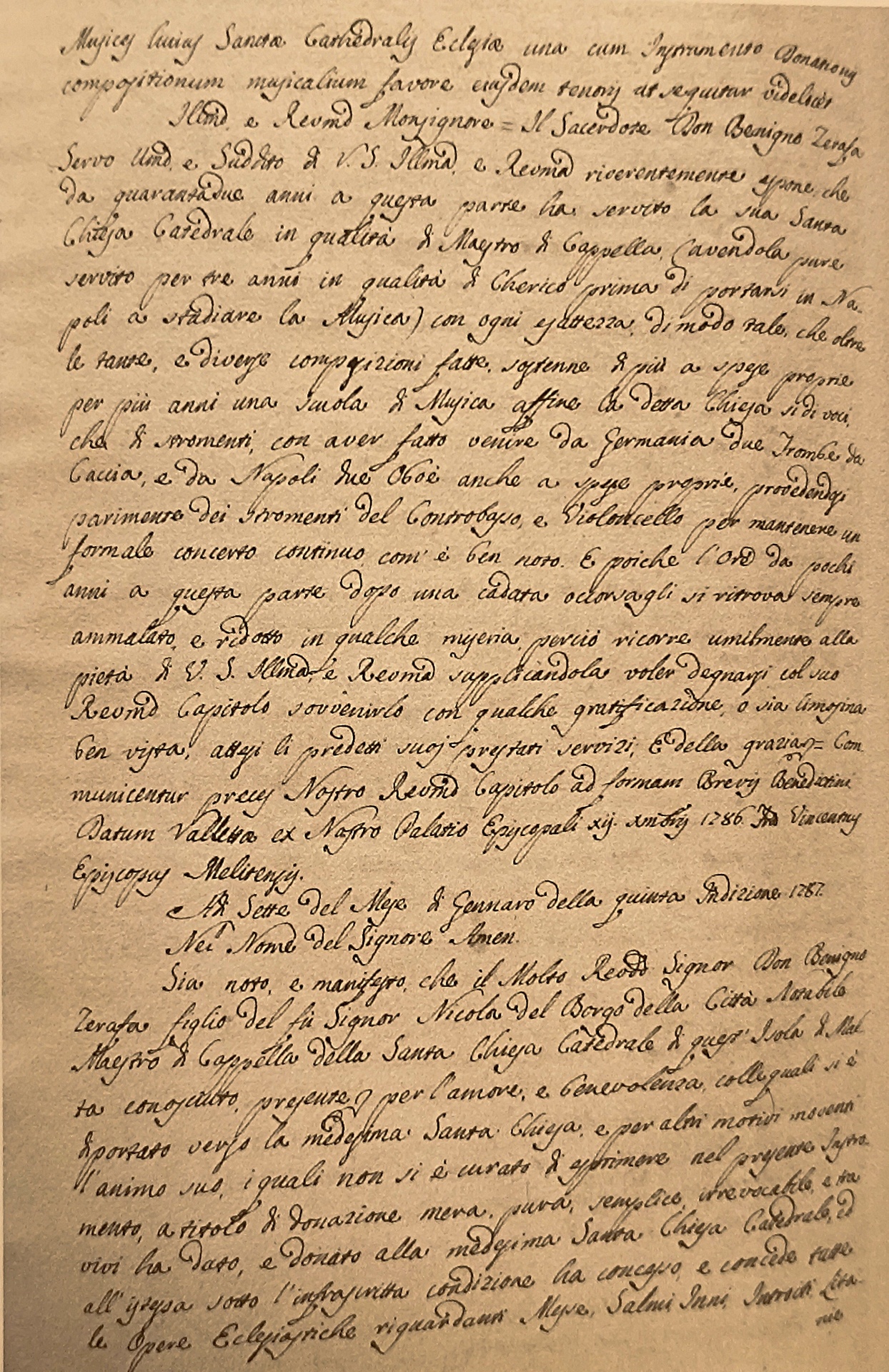
Folio mentioning the purchasing of instruments from abroad and Zerafa's call to the Chapter to allow him to retire — ACM Reg Del Cap, Vol 12, ff 41V - 1786
Submitted a supplika to the Cathedral Chapter requesting permission to resign. Donated all works composed between 1743 and 1782 to the Cathedral Chapter. Granted a pension and award of 100 scudi, enabling him to retire at Ospizio San Nicola de Saura in Rabat.
- 1804
Passed away on Tuesday, 20 March in Valletta, at the age of 77. The Cathedral covered the cost of his funeral, amounting to 16 scudi and 4 tari. The exact location of his burial is unknown, as no inscription marks it.
His Legacy
The Mdina Cathedral Archives safeguard an exceptionally important manuscript heritage, preserving thousands of documents and musical sources that embody centuries of Malta's religious, artistic, and cultural history. Benigno Zerafa's legacy is inseparably linked to the Mdina Cathedral Archives, where a substantial portion of his musical output is preserved.
His 148 surviving sacred vocal works — ranging from grand double-choir compositions to more intimate pieces for solo voice and continuo — form one of the most significant collections of Baroque Sacred music in Malta. These manuscripts not only testify to his long service as Maestro di Cappella and his mastery of counterpoint and liturgical style, but also to the broader cultural role of the Cathedral as a centre of musical excellence. Through preservation, research, and modern performances promoted by the Cathedral Chapter, Zerafa's music continues to shape Malta's musical heritage and bring his artistic and spiritual vision to new generations.
"His 148 surviving sacred vocal works form one of the most significant collections of Baroque sacred music in Malta."